Since 1946

The United National Party

Sri Lanka's oldest and most distinguished political institution, with a proud legacy of democratic governance, economic development, and national unity spanning nearly eight decades.

Official Party Designation

English United National Party (UNP)
Sinhala එක්සත් ජාතික පක්ෂය (Eksath Jāthika Pakshaya)
Tamil ஐக்கிய தேசியக் கட்சி (Aikkiya Tēciyak Katci)

1946

Year Founded

78

Years of Service

40+

Years in Government

6

Prime Ministers

About the United National Party

A legacy of leadership and democratic governance

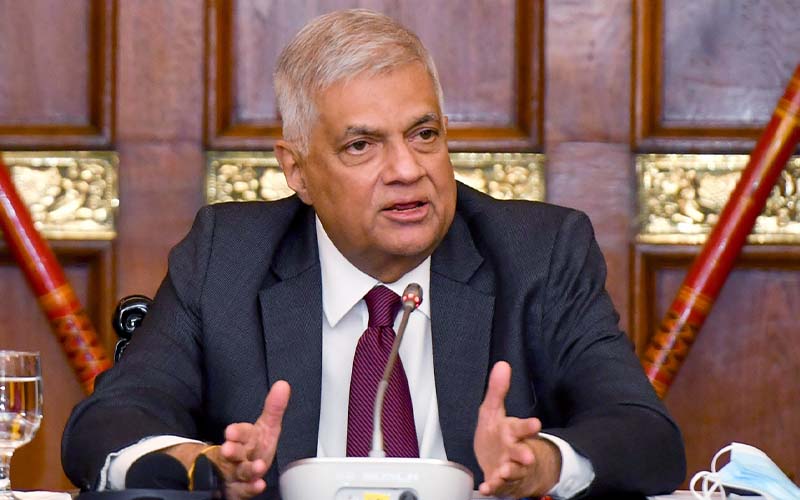
The United National Party (UNP) is a political party in Sri Lanka currently headed by Former Prime Minister Hon. Ranil Wickremesinghe. The UNP is considered a center-right party, to the right-wing of the Sri Lanka Freedom Party, opting for a neo-liberal market-oriented economy. Furthermore, it is a member of the International Democrat Union.

Throughout its history, the UNP has been instrumental in shaping modern Sri Lanka. It had been the governing party from 1947 to 1956, from 1965 to 1970, from 1977 to 1994, 2001 to 2004, and 2015 to 2019. In addition, the UNP also had control of the executive presidency from the presidency's formation in 1978 to 1994.

The party's enduring legacy is built upon principles of democratic governance, economic freedom, national unity, and social progress. For over seven decades, the UNP has remained committed to these core values while adapting to the changing needs of Sri Lankan society.

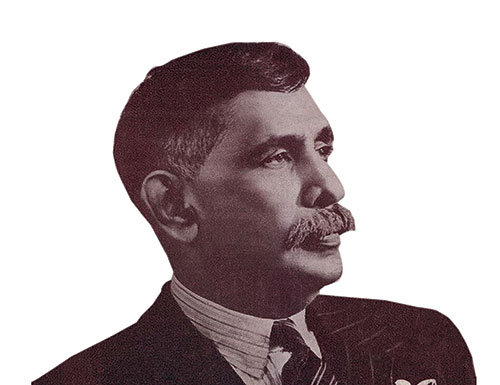
DS Senanayake

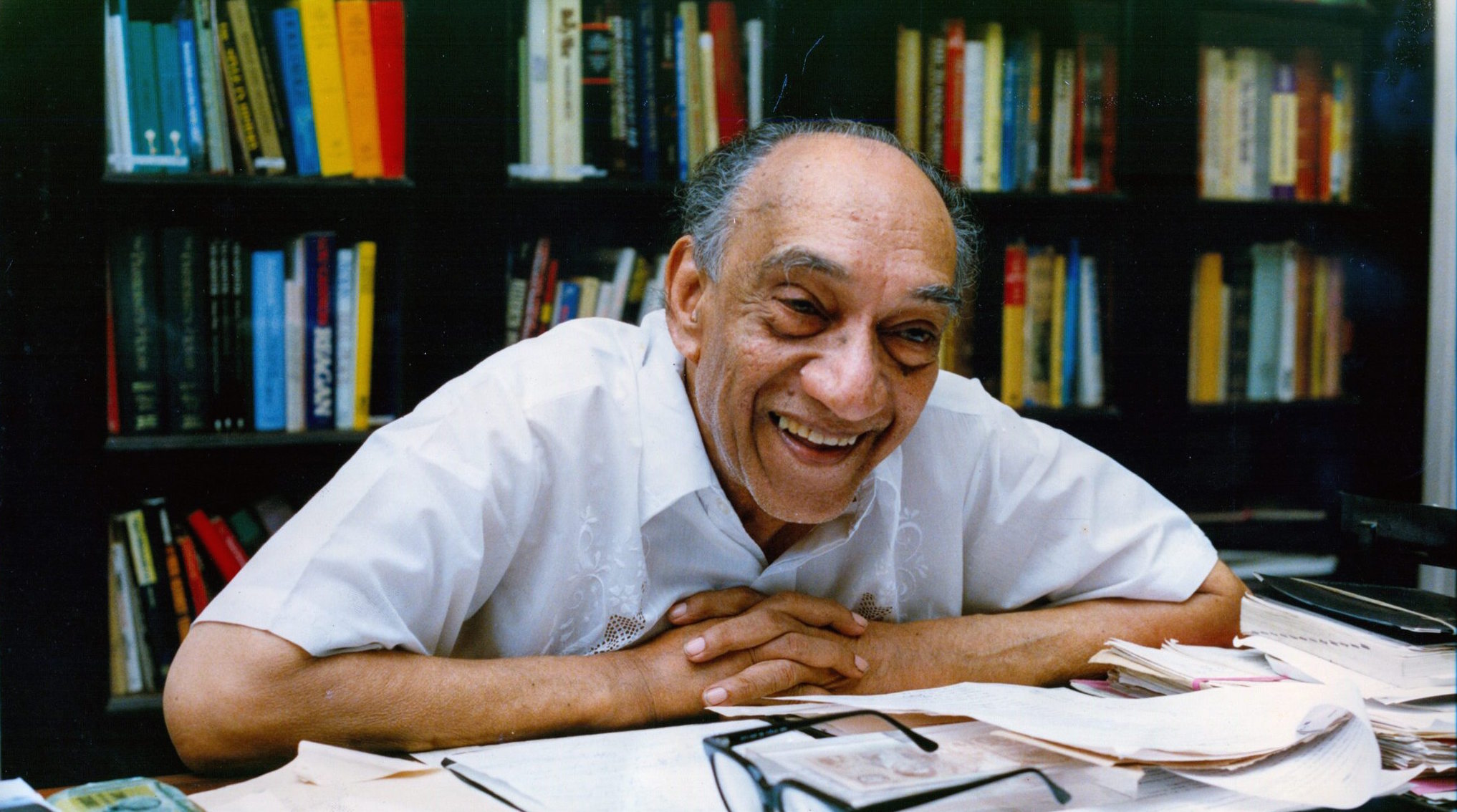
Our Founding Father: Don Stephen Senanayake

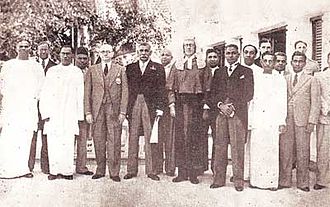
The United National Party was founded by Don Stephen Senanayake, who later became the first Prime Minister of Ceylon (the country gained independence from the United Kingdom during this term of office), in 1946 by the amalgamation of Ceylon National Congress and the Sinhala Maha Sabha, and the adhesion of other political elements willing to support its policy.

The approval of the Soulbury Constitution, which issued its report in 1945, enabled the party to be formed. Thus, this new party was established with an immense island-wide appeal. The first meeting to form the UNP took place on 4th June, 1946 at the House of Representatives, where the draft constitution of the party was compiled.

Senanayake's vision was to create a broad-based political movement that could unite Sri Lanka's diverse communities and lead the country toward prosperity and stability after independence. His pragmatic leadership and commitment to democratic principles laid the foundation for the UNP's enduring legacy.
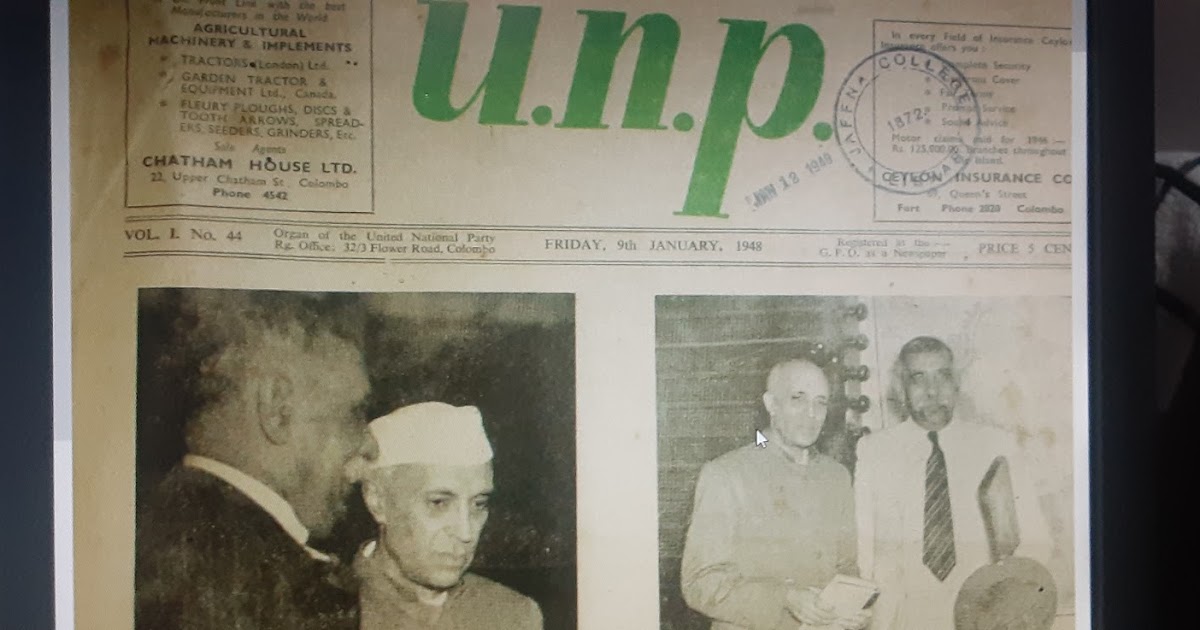
Our Historical Journey

Key milestones in the UNP's development and contribution to Sri Lanka

Formation of the Party
1946

Formation of the Party

The United National Party is founded on September 6, 1946, through the merger of the Ceylon National Congress and the Sinhala Maha Sabha, with Don Stephen Senanayake as its first leader.

First General Election
1947

First General Election Victory

The UNP wins the country's first general election under the new constitution, forming the first independent government of Ceylon with D.S. Senanayake as Prime Minister.

Independence
1948

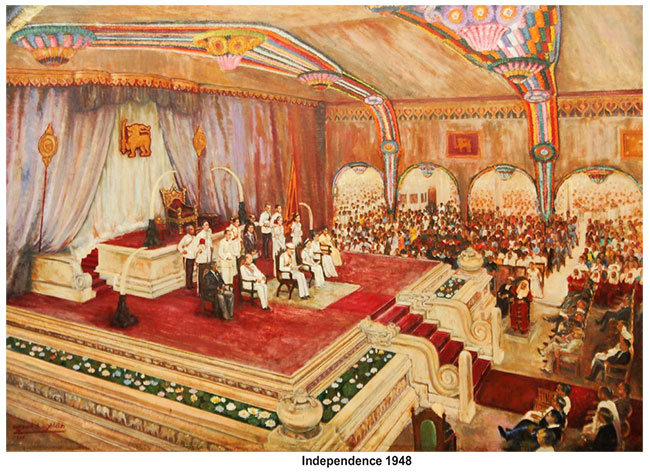
Independence and Nation Building

Ceylon gains independence from Britain on February 4, 1948, with the UNP government leading the new nation. The party implements policies focusing on agricultural development and economic growth.

Economic Liberalization
1977

Economic Liberalization

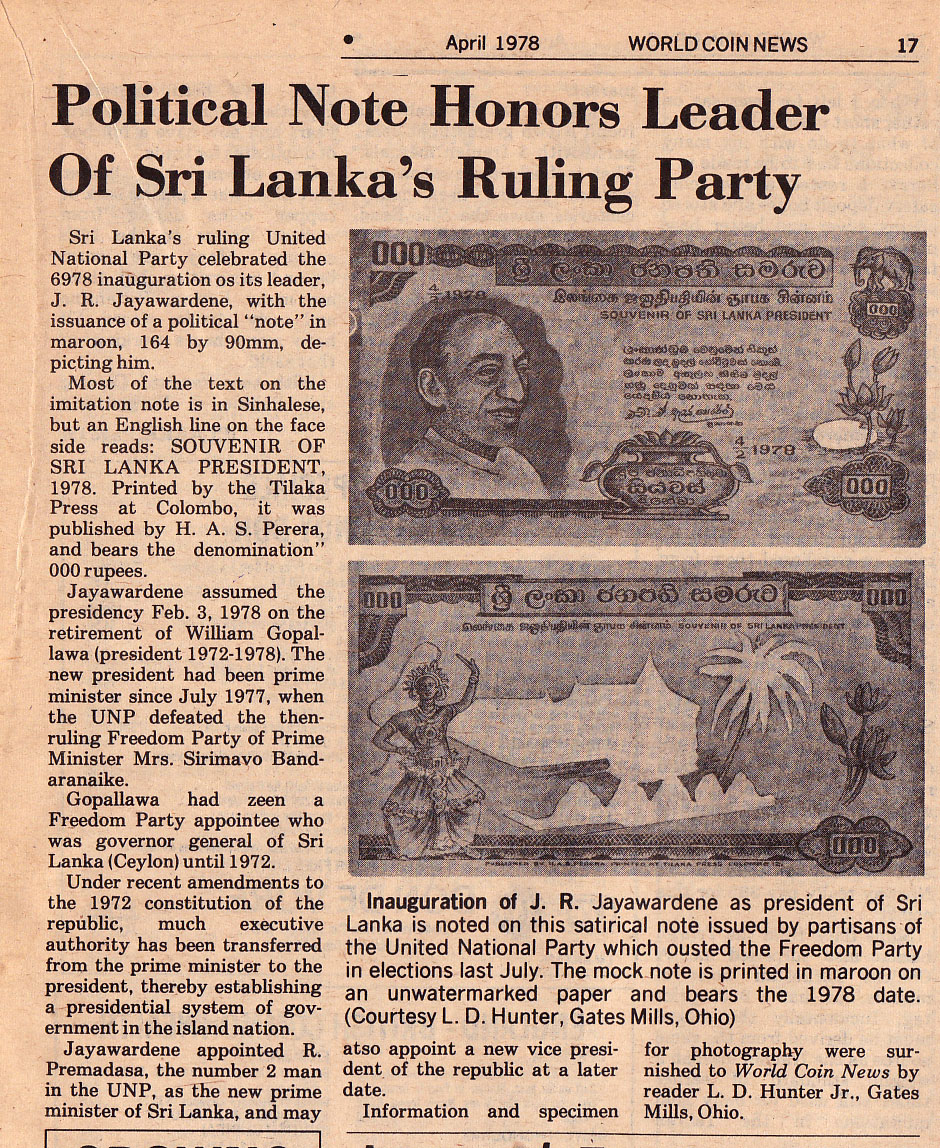
Under J.R. Jayewardene, the UNP introduces sweeping economic reforms, opening Sri Lanka to foreign investment and shifting toward a market-oriented economy that spurs rapid growth.

Constitutional Change
1978

Constitutional Change

The UNP government introduces a new constitution, establishing the executive presidential system and strengthening central governance while maintaining democratic institutions.

National Unity
2015

National Unity Government

The UNP returns to power, forming a national unity government committed to constitutional reforms, reconciliation, and sustainable economic development.

UNP Presidency 2022
2022

UNP Presidency

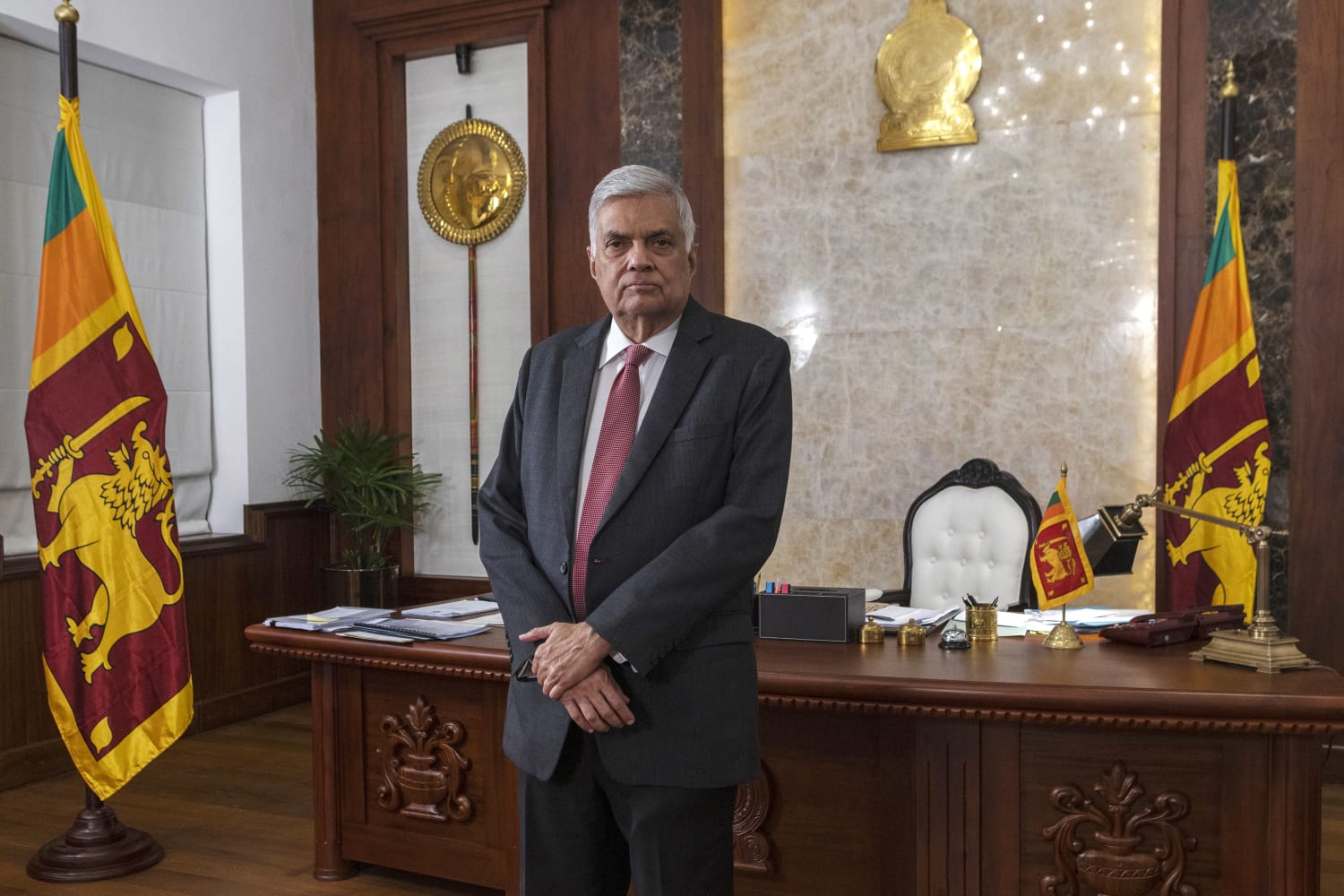
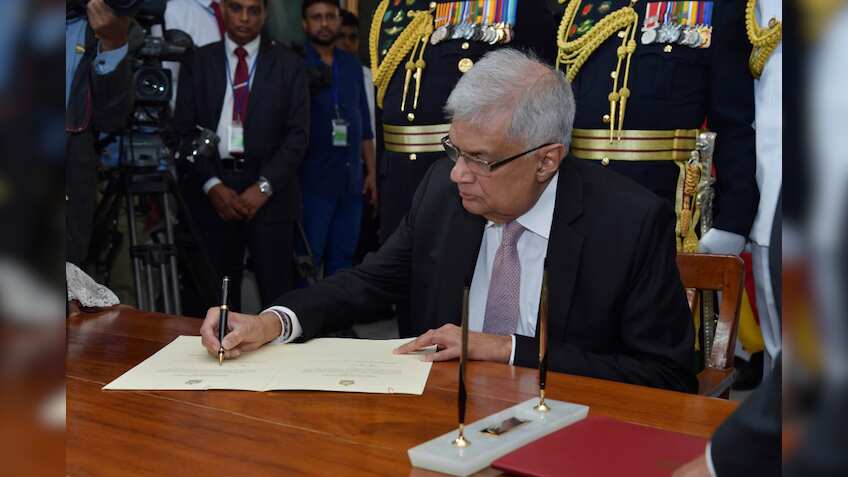
Amid an unprecedented economic crisis, the UNP returns to national leadership as Ranil Wickremesinghe is elected President by Parliament, steering the country toward economic stabilisation, institutional reform, and international re-engagement.

Ranil Wickremesinghe during economic crisis

Ranil Wickremesinghe: Steering Sri Lanka Through Economic Crisis (2022-2023)

How Over come the Economic Crisis in 2022–2023, In 2022, Sri Lanka faced its worst economic crisis since independence — foreign reserves collapsed, fuel and medicine shortages emerged, and mass protests erupted.Then President Gotabaya Rajapaksa resigned in July 2022 after widespread public protests.At the time, Ranil Wickremesinghe was serving as Prime Minister (appointed in May 2022).After Rajapaksa’s resignation, Parliament elected Wickremesinghe as President in July 2022.He continued leading the country through 2023 to manage the economic recovery.

Under his direction, the government successfully negotiated a staff-level agreement with the International Monetary Fund (IMF), paving the way for a crucial bailout package. His administration prioritized debt restructuring talks with international creditors, restored essential supplies including fuel, medicine, and cooking gas, and implemented measures to curb hyperinflation from its peak of 70% to more manageable levels.

By 2023, Wickremesinghe's economic stabilization program showed tangible results. Power cuts were reduced from 13 hours daily to near-normal levels, foreign reserves began rebuilding, and essential commodity prices stabilized. His government's tough but necessary decisions prevented national bankruptcy and restored international confidence in Sri Lanka's economy, setting the foundation for gradual recovery and demonstrating the UNP's continued commitment to national service during the country's hour of greatest need.

Our Core Values

The principles that guide our vision and actions

Democratic Governance

Commitment to parliamentary democracy, rule of law, and institutions that protect the rights and freedoms of all citizens.

National Unity

Belief in a united Sri Lanka where all communities live in harmony, with equal rights and opportunities for all citizens.

Economic Freedom

Support for market-oriented policies, entrepreneurship, and economic opportunities that create prosperity for all Sri Lankans.

Social Justice

Commitment to equitable development, access to quality education and healthcare, and protection of vulnerable communities.

Ceylonese Nationalism

We believe in a united Sri Lankan identity that transcends ethnic, religious, and regional divisions.

National Defense

We stand for a strong national defense capable of protecting Sri Lanka's sovereignty and territorial integrity.

Our Terms in Government

Four decades of leadership shaping Sri Lanka's development

1947 - 1956
Parliamentary Government
Led Sri Lanka to independence and established democratic institutions under D.S. Senanayake and Dudley Senanayake
1965 - 1970
Parliamentary Government
Implemented economic reforms and strengthened democratic institutions under Dudley Senanayake
1977 - 1994
Parliamentary & Presidential
Revolutionary economic liberalization and infrastructure development under J.R. Jayewardene and R. Premadasa
1978 - 1994
Executive Presidency
Controlled the executive presidency from its formation, driving economic transformation and modernization
2001 - 2004
Parliamentary Government
Pursued peace negotiations and economic stabilization under Ranil Wickremesinghe
2015 - 2019
Parliamentary Government
Advanced good governance reforms, constitutional changes, and anti-corruption measures

International Partnerships

Global connections strengthening our vision

International Democrat Union

The United National Party is a proud member of the International Democrat Union (IDU), a global alliance of center-right political parties committed to democracy, freedom, and free market economics.

Through this membership, we collaborate with like-minded parties worldwide, sharing best practices in governance, economic policy, and democratic development. This international network provides valuable insights and support for advancing Sri Lanka's interests on the global stage.

Regional Engagement

As part of the Asia Pacific Democrat Union, we actively engage with political parties across the region, fostering diplomatic relationships and promoting democratic values throughout Asia and the Pacific.

These connections enable us to learn from successful governance models in developed democracies while contributing our own experiences to the global dialogue on democratic governance and economic development.

Our Mission Today

The strength of the United National Party has rejuvenated the national political movement and continues to work towards building a stronger, safer, and better Sri Lanka.

Today, the party has flourished and lived up to its strong grassroots tradition while upholding the proud legacy of the UNP. The core principles of our movement remain unchanged: we stand for sovereignty, strong national defense, national unity, free enterprise, and individual achievement.

We are committed to empowering all citizens, regardless of background, to achieve their dreams in a safe, healthy, and prosperous country. Through responsible economic management, good governance, infrastructure development, and social progress, we continue to work towards making Sri Lanka a developed nation that provides opportunities and prosperity for all its people.